
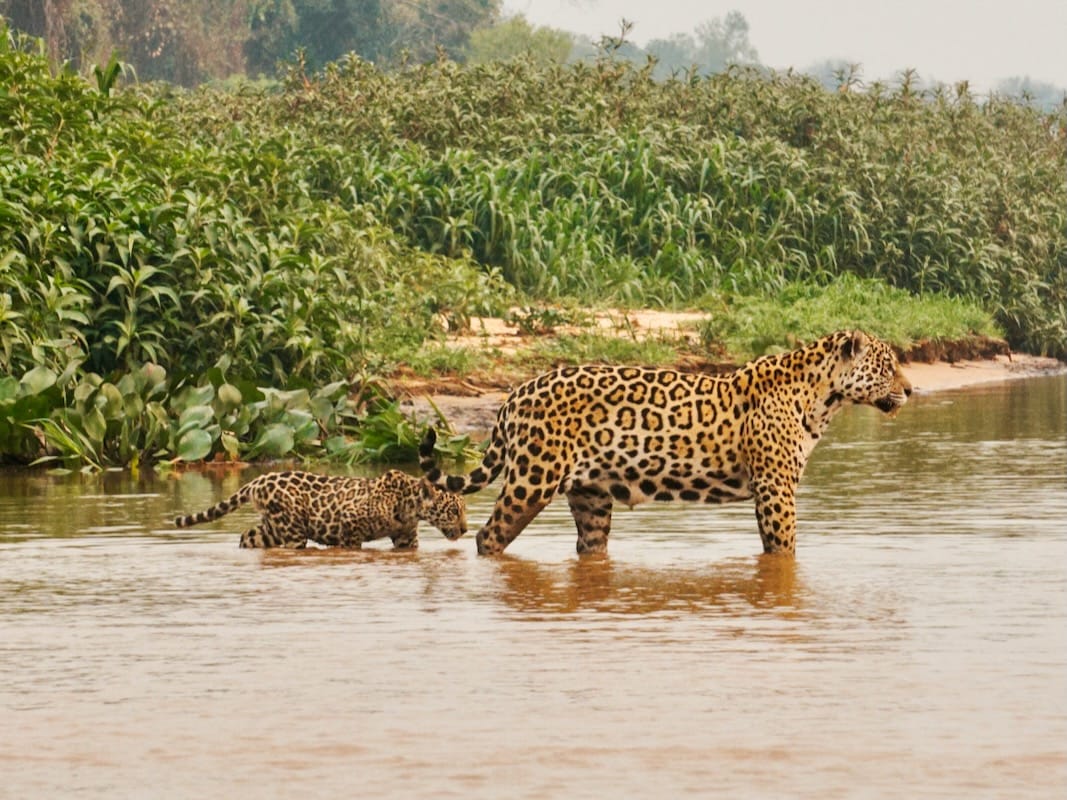
So you want to see a jaguar in the wild. Well then, you’re on the right track!
Visiting the Pantanal in Brazil is one of the best opportunities to observe jaguars in their natural habitat.
Here are the 15 things you need to know before visiting the Brazilian Pantanal and embarking on your Jaguar Safari.
1. Jaguars live in ”The Pantanal” region of Brazil
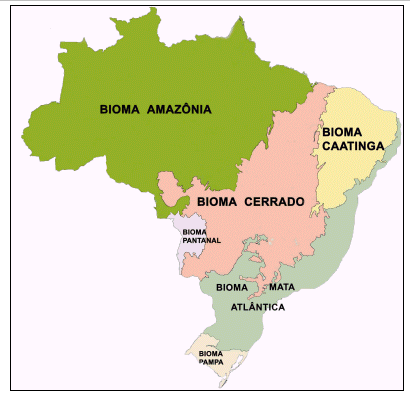
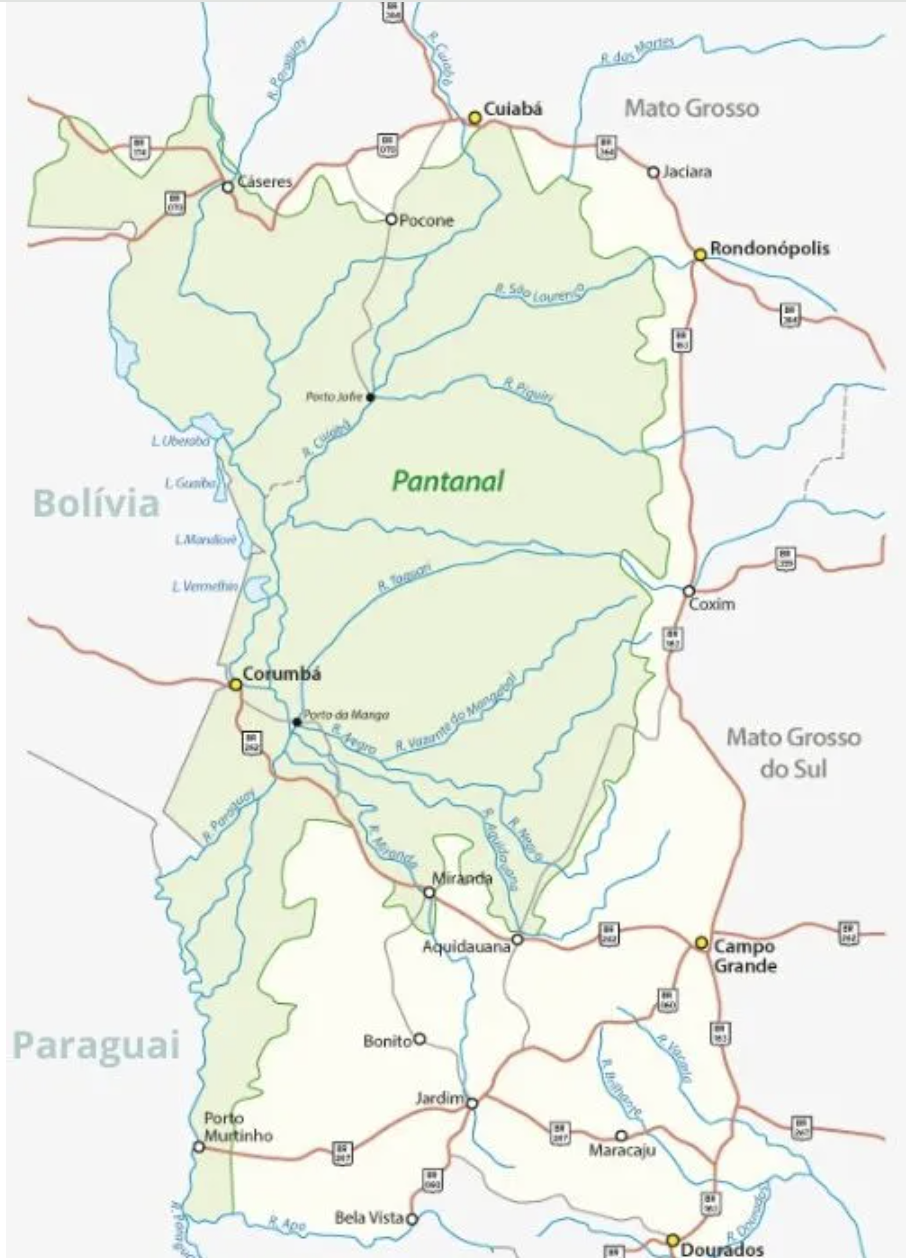
Map sources: IBGE.gov.br (left) and brasilescola.uol.com.br (right)
“Pantanal” means swamp in Portuguese. The Brazilian Pantanal is the largest wetland in the world. It’s an expansive plain (68,000 square miles) that fills with water during the wet season, fed by the Paraguay River and its branches.
In Brazil, it stretches across the states of Mato Grosso and Mato Grosso do Sul. Just 20% of the Pantanal’s 68,000 square miles is located outside of Brazil in Paraguay and Bolivia.
In Brazil, the Pantanal is divided into the Northern Pantanal and the Southern Pantanal. In the Northern Pantanal, travelers typically enter through Cuiabá before continuing to Porto Jofre. The Southern Pantanal is most often accessed via Campo Grande and then Bonito.
According to the World Wildlife Fund, the Pantanal is home to “656 species of birds, 325 species of fish, 159 mammals, 98 reptiles, 53 amphibians, and over 3,500 species of plants.”
If seeing Jaguars is a priority, then visiting the Northern Pantanal and staying in Porto Jofre should be on your itinerary.
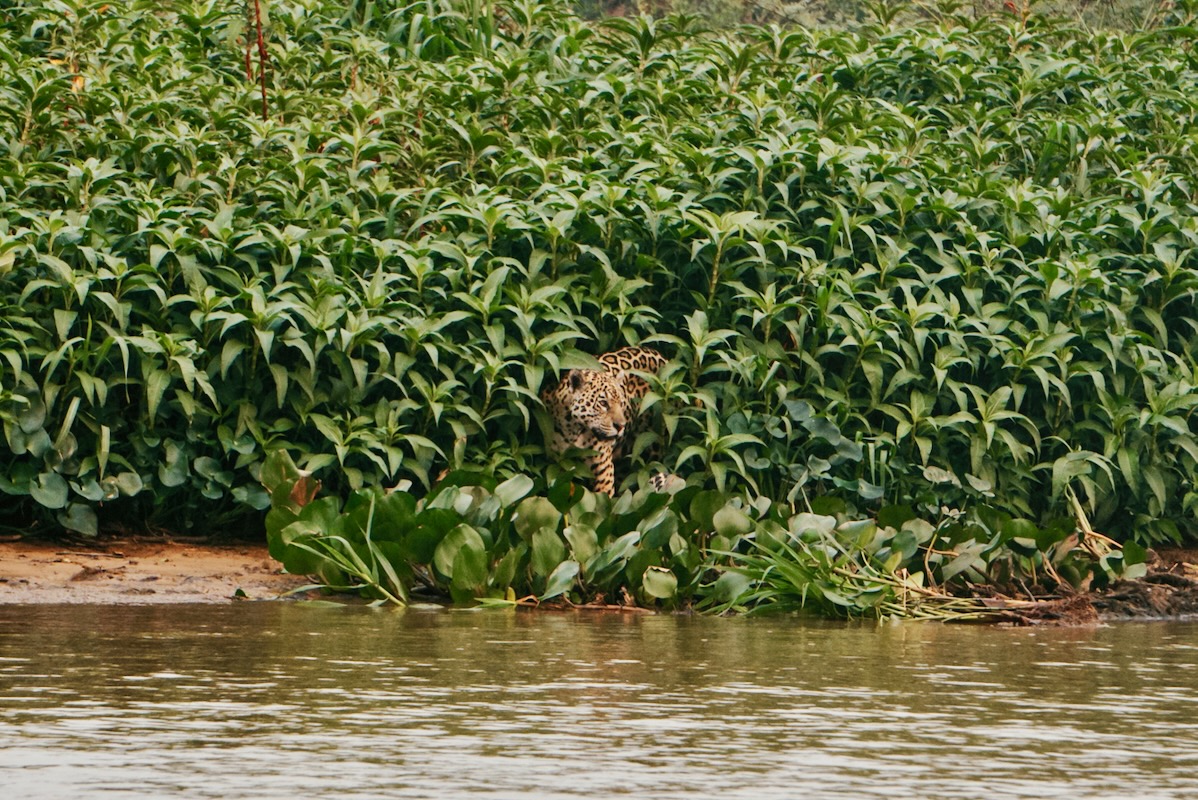
During the dry season, Jaguars can easily be seen hunting, playing, and relaxing near the edges of the rivers outside Porto Jofre. The state park here, Encontro das Águas, has one of the highest concentrations of Jaguars in the world.
Want to swim in crystal clear rivers, scuba dive in deep caves, and hike through waterfalls? Bonito, Brazil, is one of the best places in the southern Pantanal and Brazil for ecotourism. Read more – Float Through Beautiful Bonito: The Ecotourism Capital of Brazil
2. The Jaguar safaris that leave from Porto Jofre are conducted on boats
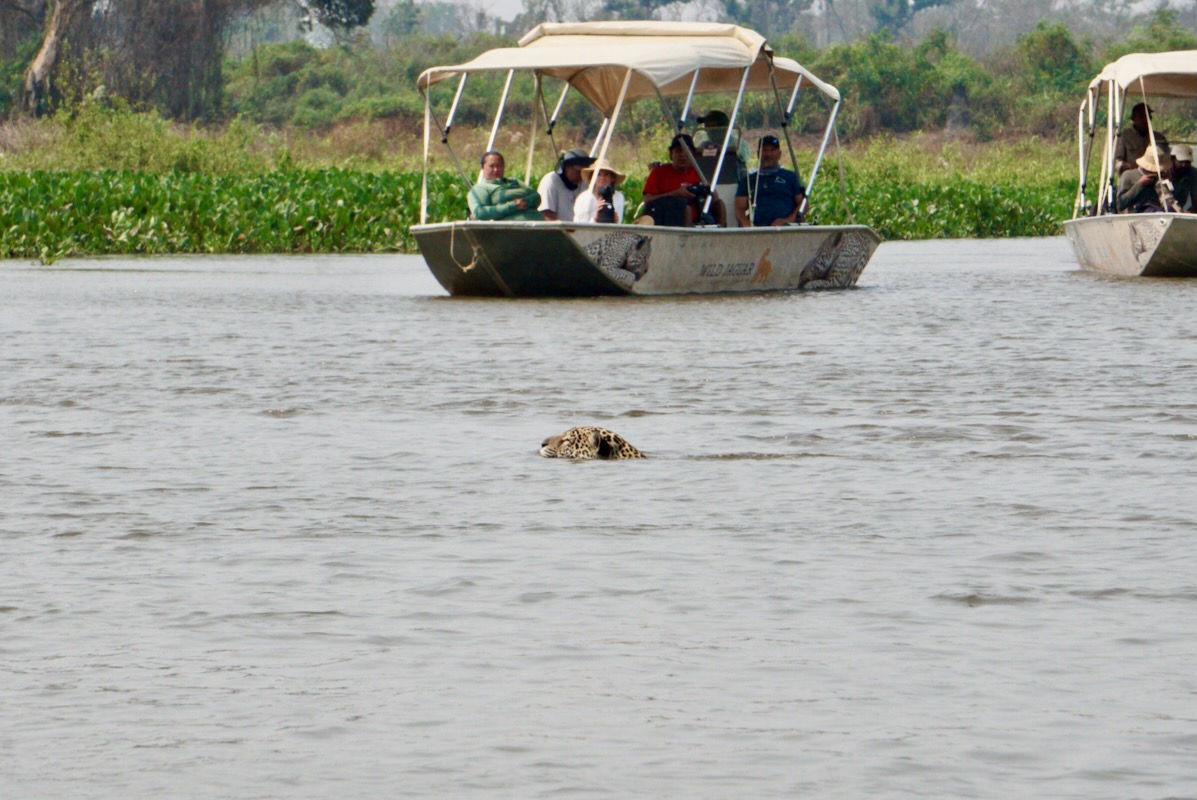
While it is not impossible to see jaguars during land safaris in the Pantanal (more common during the wet season), it is all but a guarantee that you will see them from the long, narrow aluminum boats that cruise up and down the rivers.
The boats on the rivers range from 2-seaters to 12-seaters. The nicer the tour you book, the nicer the boat you’ll be riding on. Most boats have a shade canopy, but it is common for the canopy to be lowered once a jaguar is spotted to be polite to the other boats around.
Tip: The smaller the boat, the easier it will be for your guide to get you into the best viewing positions to see the jaguars. Try to avoid going with a large tour group, which will inevitably mean you’ll be on some of the biggest boats in the water.
The boat drivers are very skilled at positioning themselves and helping clients get the best shots. However, there are rules in place (how close boats can get to the animals) to respect the jaguars in their habitats.
The boat captain or your guide will have a cooler on board for food and drinks during the Safari. There is no bathroom on the boat.
3. Bring a camera with a decent zoom lens for seeing wildlife in the Pantanal
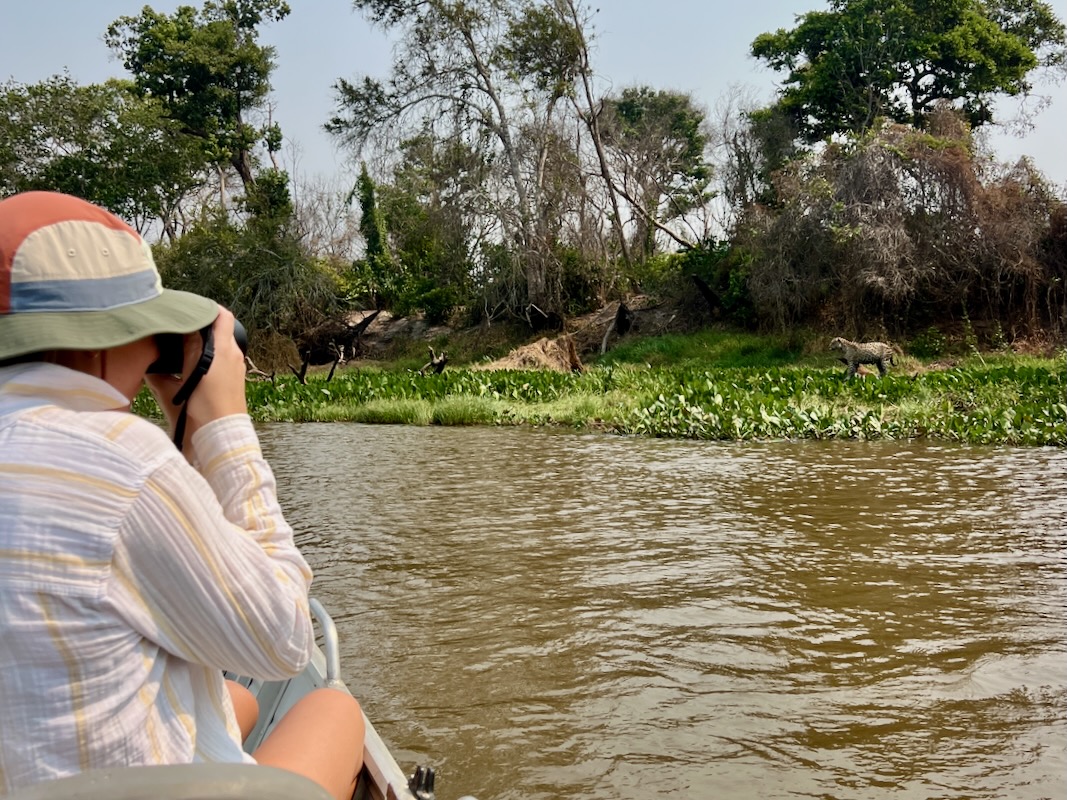
If you’re a seasoned safari goer or an avid bird watcher, chances are you already own the perfect wildlife camera lens for this safari. However, if you don’t have a professional telephoto lens, don’t worry, we also didn’t and came away with photos like these:
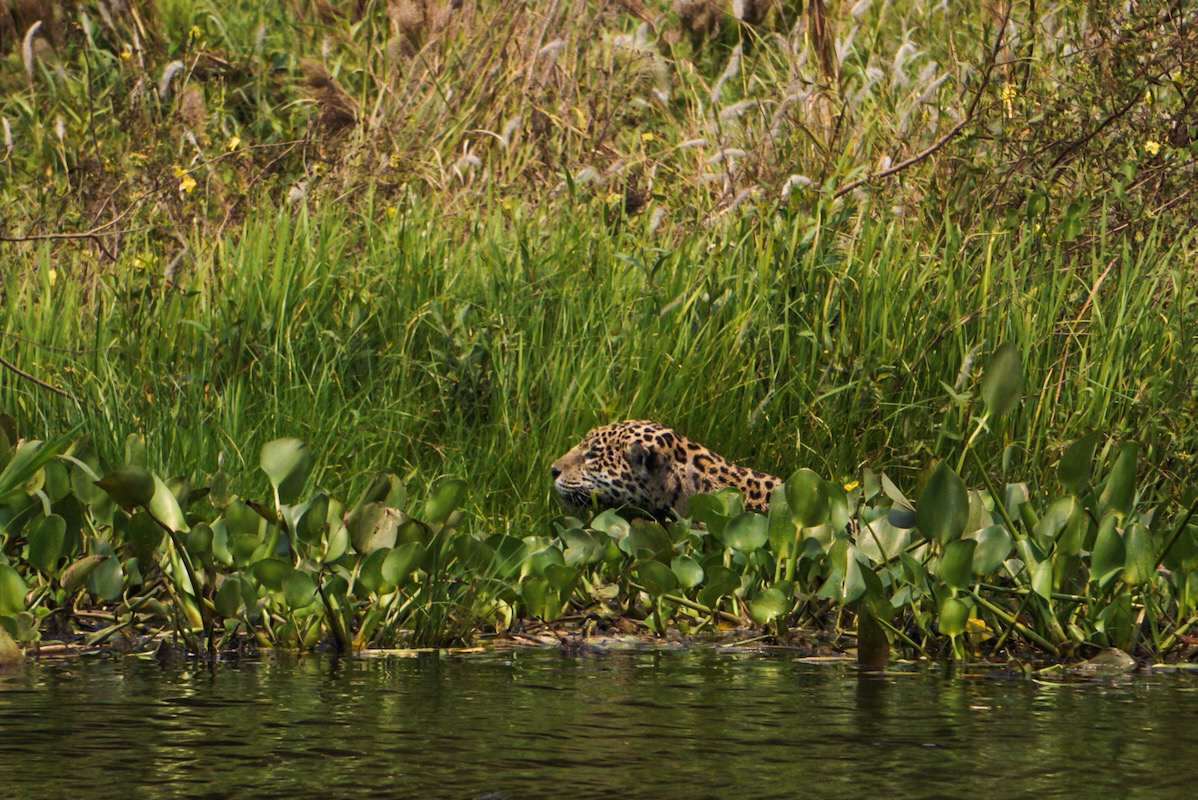
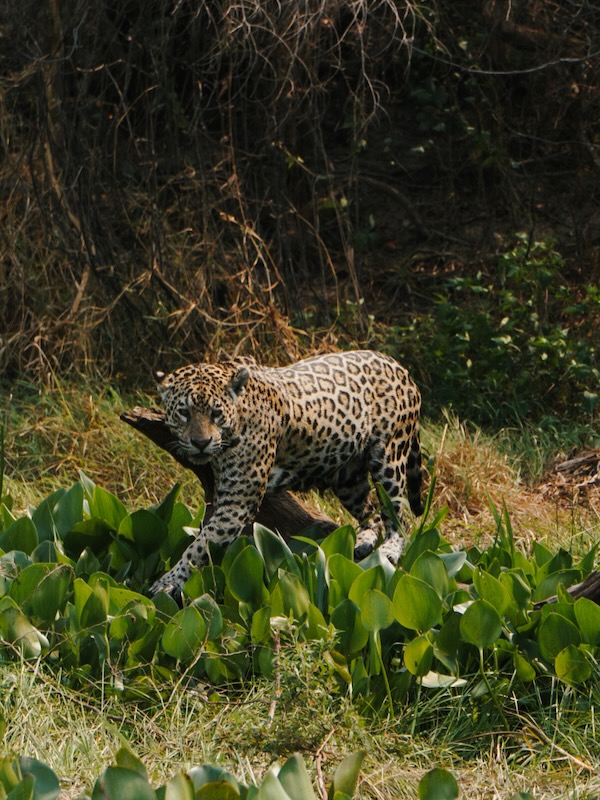
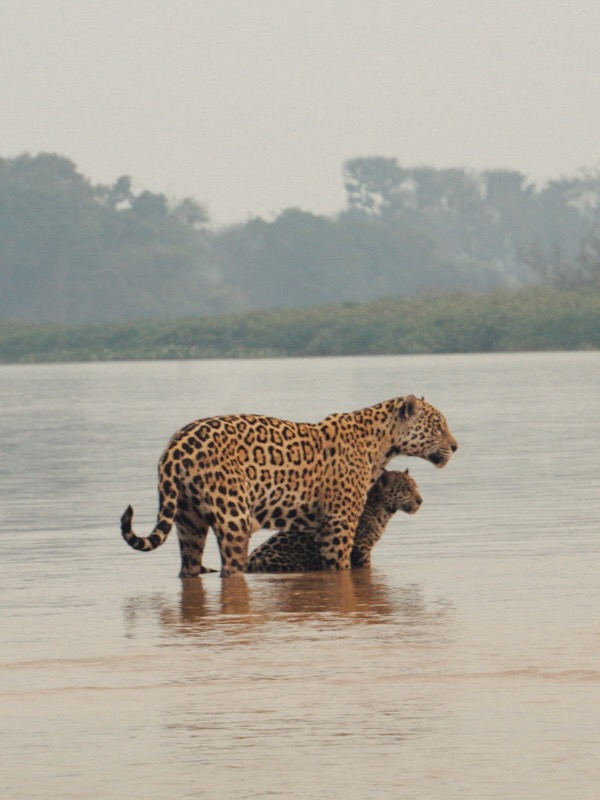
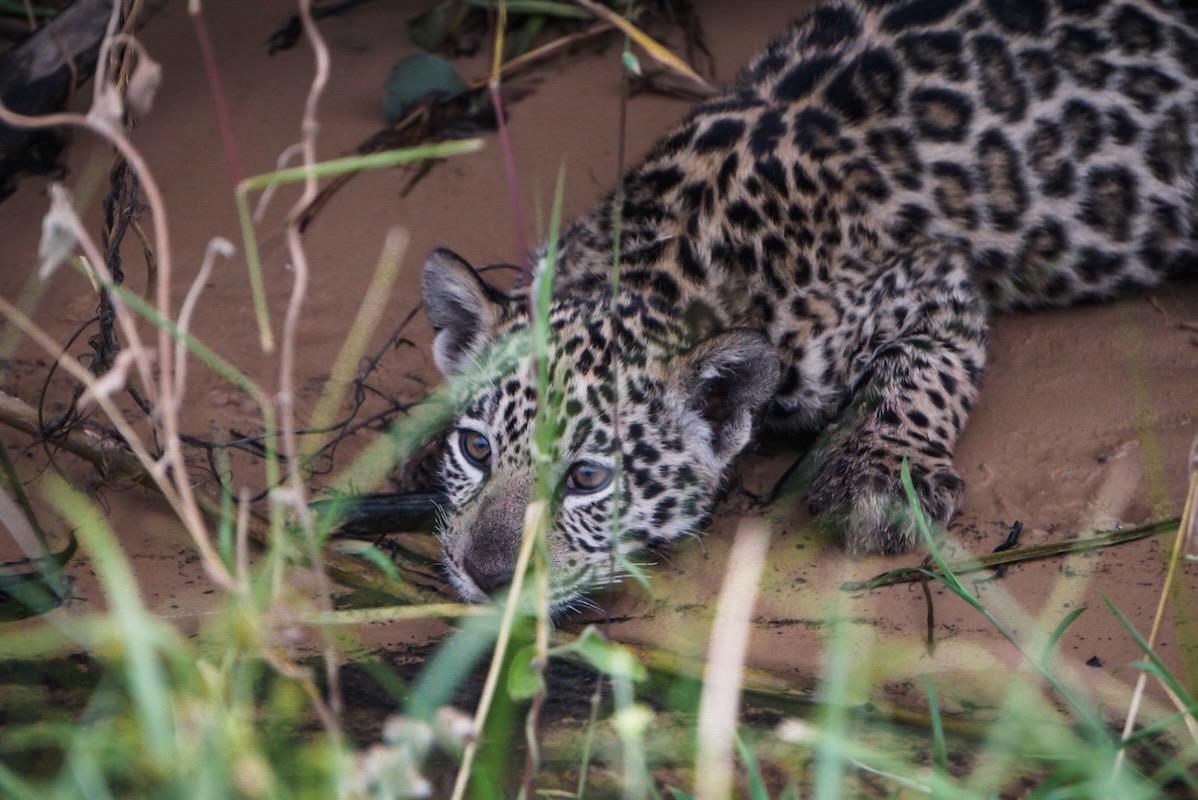
Now, I’ll be honest, we were in the minority, although there were a few others who were only equipped with their iPhones.
The photos above were shot with the Sony a6100 and Sony E 55‑210mm f/4.5‑6.3 OSS telephoto kit lens. It’s honestly pretty small compared to some of the other safari goers who had straight-up telescope-sized lenses on their cameras.
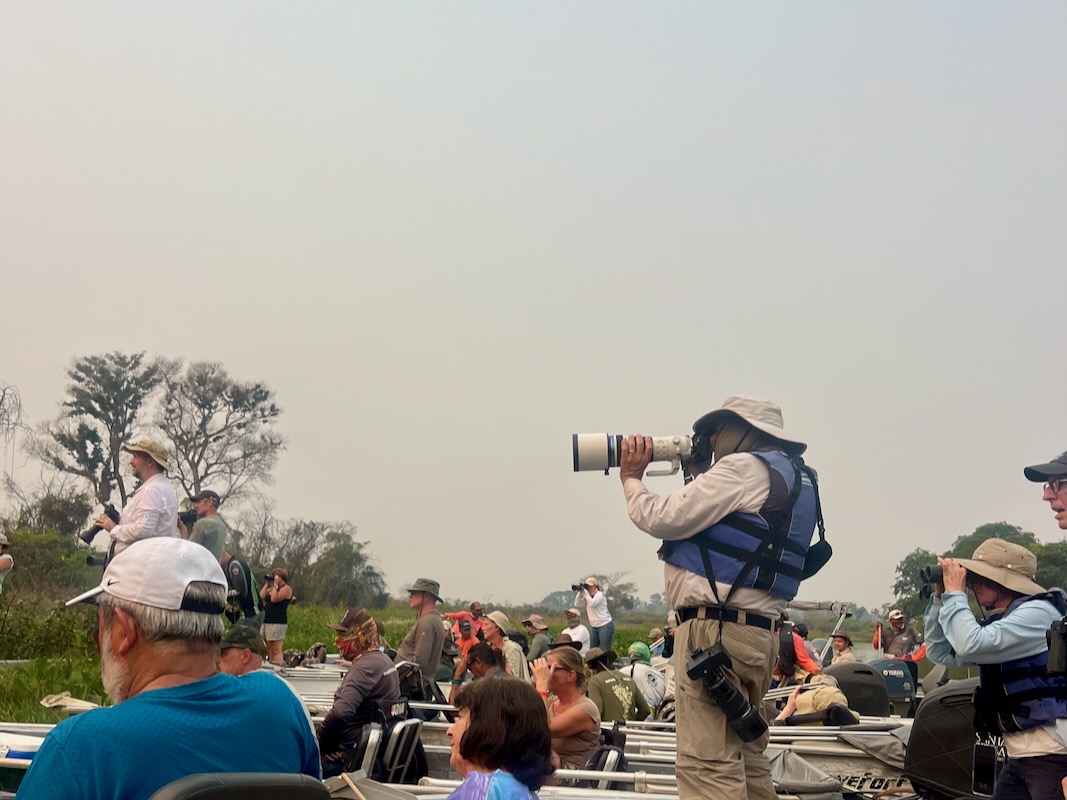
At first, I was a little worried and self-conscious of our little lens, but the boat captains got us so close to the animals that at times I was zooming out or even capturing videos on my iPhone!
I also had to remind myself that part of the reason we are here is to enjoy the moment and just watch the incredible Jaguars in their natural habitats through my eyes and not a lens.
So if you don’t want to drop thousands on a new camera and lens for this trip, don’t feel like the trip isn’t worth it, because it totally still is!
5. Two distinct seasons in the Pantanal - Which is best for Jaguar Safaris?
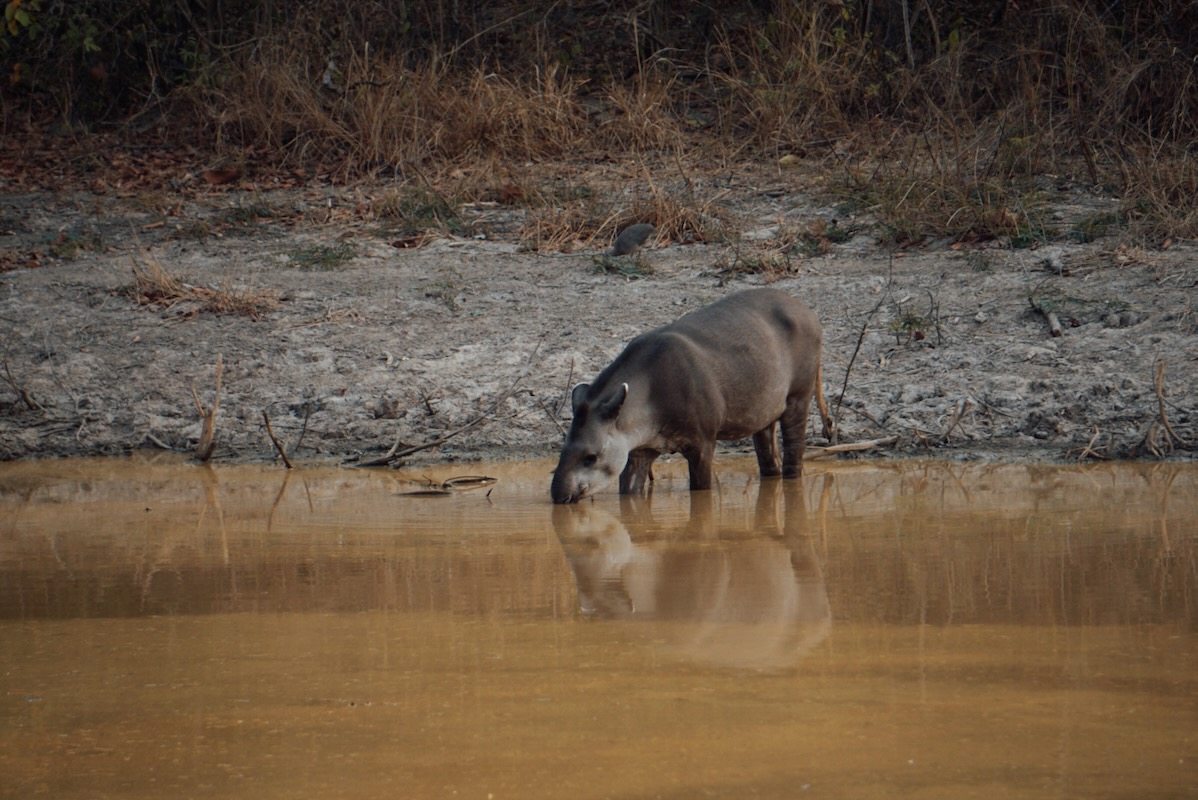
The Pantanal experiences two distinct seasons – a wet season from October to March, and a dry season from April to September.
During the wet season, the Pantanal is more difficult to navigate as many areas flood and become impassable on foot or by car. The abundance of water causes animals to spread out and seek higher ground further away from rivers.
In the wet season, tourists may have better luck seeing Jaguars and other large mammals near the lodges further away from Porto Jofre.
Once the dry season begins in April, the Jaguars return to the rivers’ edges where they can be easily spotted hunting, playing, and relaxing.
Further from the rivers, remaining watering holes turn into hot spots for wildlife photographers looking for photos of caiman, capybara, tapir, marsh deer, coatis, and fox-eating crabs.
If jaguars are the priority, visiting during the dry season is a must.
5. Hotels in the Pantanal & what to expect
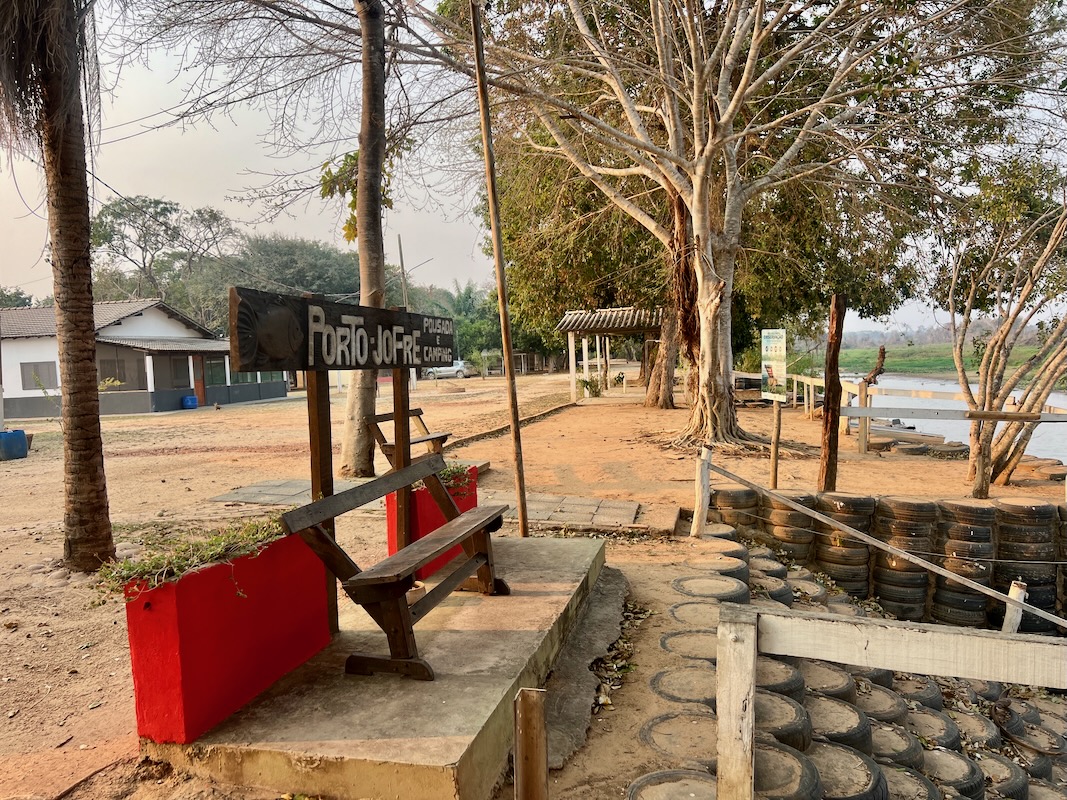
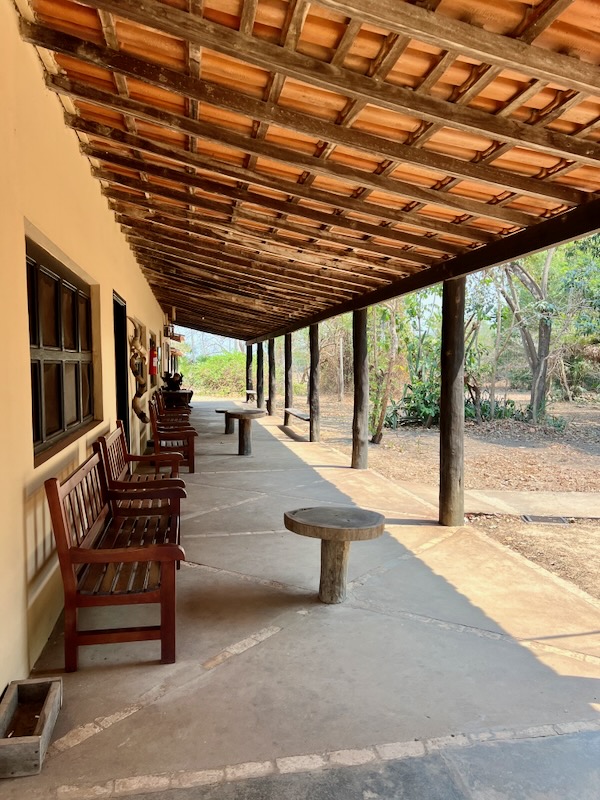
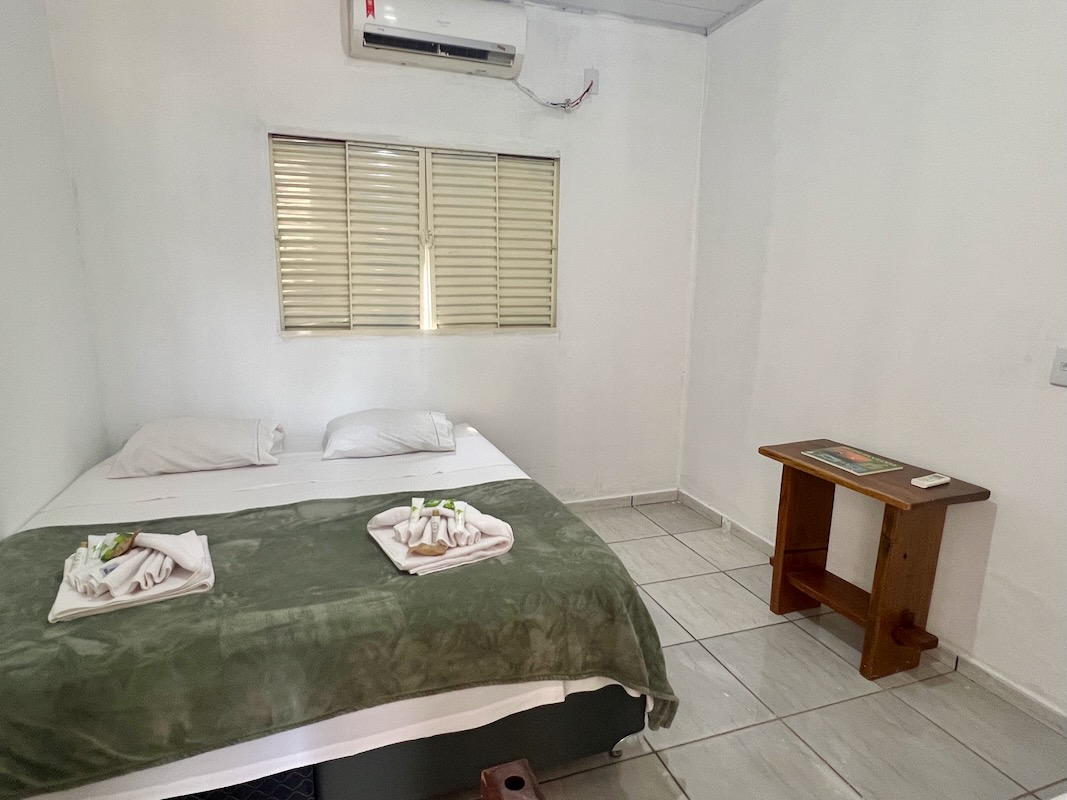
If I had to pick one thing that was a bit of a negative surprise during our Jaguar safari, it has to be the hotel options in Porto Jofre. This is a very remote part of Brazil, with only a small number of hotels operating despite a steady stream of visitors.
Because lodging is scarce, you’ll often pay more than you might expect for the quality. Definitely prepare your expectations before arriving.
While nature will be out of this world, the hotels will be something you’ll hope to forget. The Google reviews will give you an idea of what to expect at some of the accommodations.
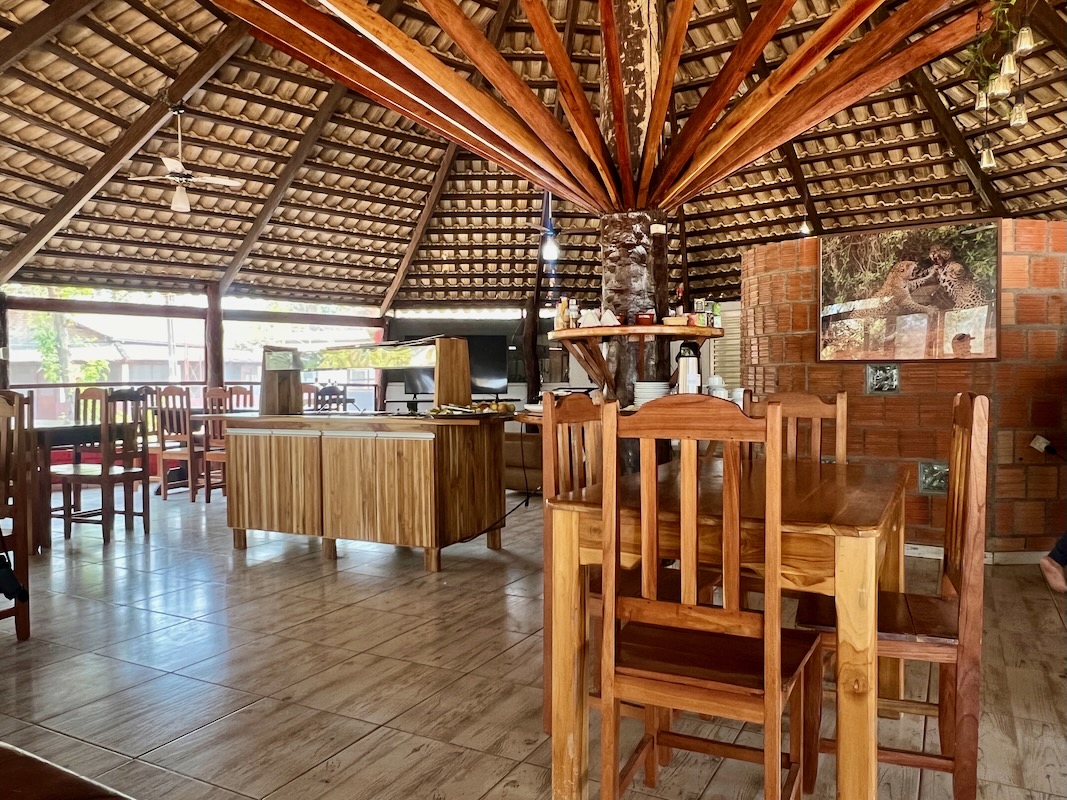
Most hotels offer very basic rooms with AC and Wifi. Breakfast, lunch, and dinner are included in the room rates. If you’re staying out on the water all day, the hotel will send you off with a boxed lunch.
If I could choose our hotel again, I would pick either Pousada Dona Onça Jaguar Lodge or Jaguar Camp.
If money weren’t a question, I would definitely stay at the most famous hotel in the area – Hotel Pantanal Norte.
If you’re looking to save money, our hotel, Porto Jofre Pantanal, was fine, but seriously ZERO thrills, and the food was very much OK.
The boat lodges are another hotel option in Porto Jofre. These are large river boats where guests eat and sleep, and depart for their daily tours all from the boat.
If you’re booking your trip to the Pantanal with a guide, they will most likely be the ones booking your accommodations. If you have a preference for where you stay, communicate with the guide in advance of your trip.
6. What to expect during the actual Jaguar safaris in the Pantanal
Jaguar safaris are either half a day or a full day. During a full-day safari, tourists depart by 8 am and can either choose to have lunch on the boat or return to the hotel for lunch before heading back out on the river.
If you have lunch on the boat, you will maximize your time on the water since the travel time from most hotels to the best spots for jaguar spotting is around 30 minutes.
Most boats stop for lunch in a calm river tributary where it’s common to have giant otters snacking on fish right beside the boats. We also had many jaguar sightings in this same area during lunch.
Near where boats stop for lunch, there is an area where you are permitted to use the bathroom. Bring tissues or wipes and a little baggie for your trash.
During the safari, the boat captain and guide will be scanning the river edges for wildlife. If a jaguar is spotted, the captain lets other boats know via radio. If you’re lucky to be one of the first boats to spot a jaguar, captains may wait a few minutes before alerting the masses.
Once it is known there has been a sighting, things can get a little hectic as boats jockey for the best viewing spots while also following the rules of how close they can be to the animals. There are wildlife rangers on the river, and they ensure things don’t get too out of hand.
The full-day safaris are long; we saw the sunset from the boat each day we were out on the water.
7. Seeing jaguars during the dry season is all but a guarantee
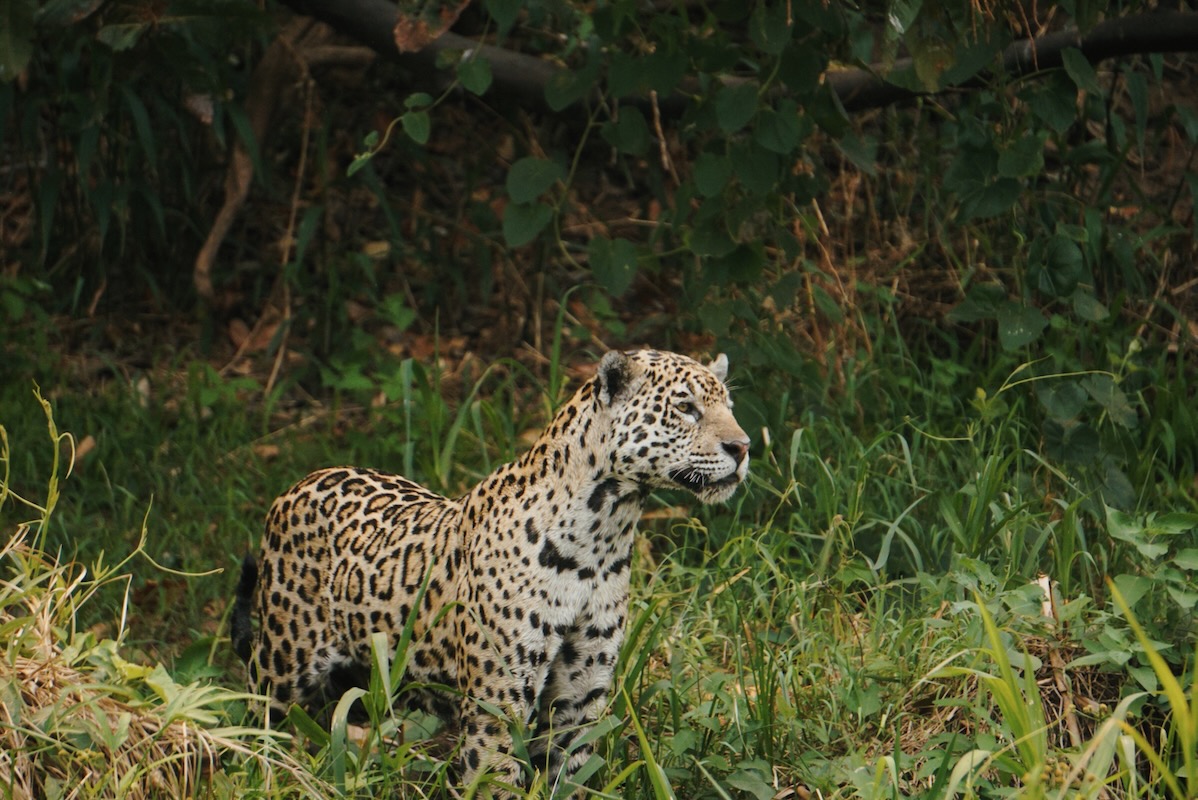
Don’t become discouraged if, 1 hour into your first day on the river, you haven’t seen a jaguar. You will see them eventually.
And by the end of your safari, you’ll probably become picky with what shots you try to get because you will have so many photos from all the sightings over the course of just a couple of days.
You may even decide to spend more time capturing photos of other wildlife.
Why shouldn’t you stress about jaguar sightings near Porto Jofre? There are 4,000-6,000 Jaguars living in the Pantanal, and the area around Porto Jofre has one of the highest concentrations of these animals.
Estimates say a tourist’s chance of seeing one of these immaculate cats in the wild during the dry season is 94%!
Always listen to your captain or guide when viewing the jaguars and be respectful of the animals and others around you.
8. The Transpantaneira Highway connects Cuiabá to Porto Jofre
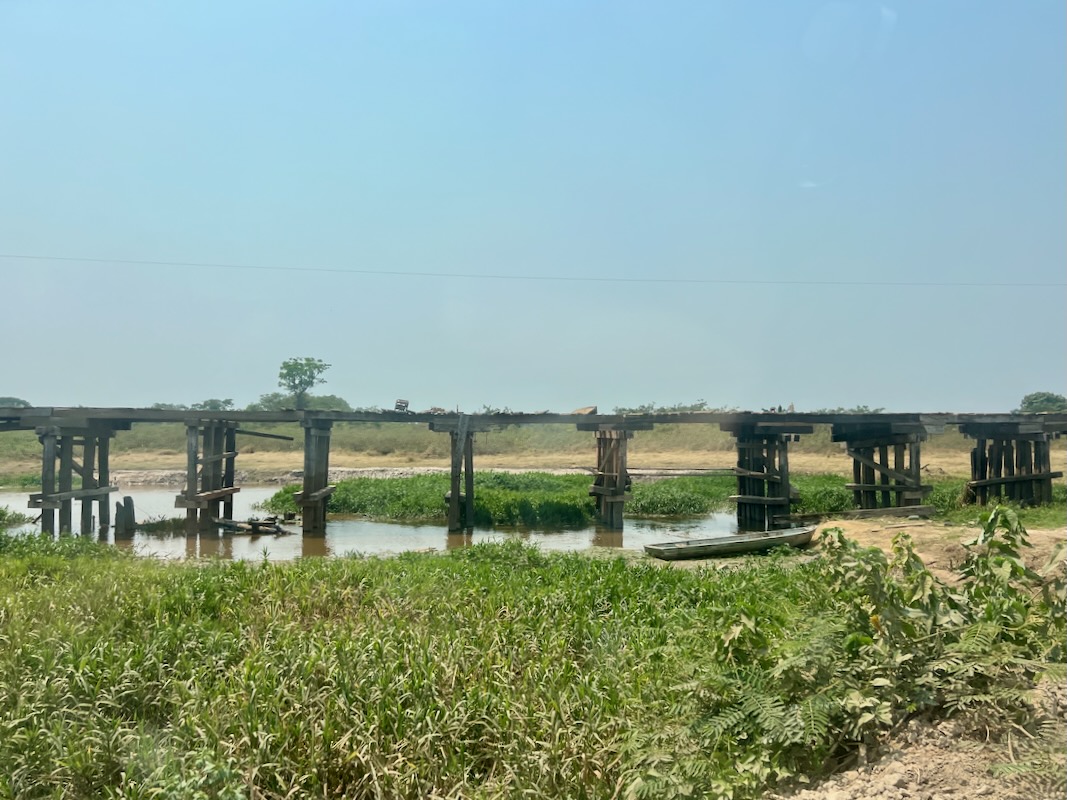
Unless you’re flying private between Cuiabá and Porto Jofre, you will travel down the transpantaneira Highway before starting a jaguar Safari.
The Transpantaneira Highway is 91 miles of dirt road that starts in Poconé and ends in Porto Jofre.
It has remained a dirt road for the benefit of wildlife and to deter speeding. The highway has 101 bridges that are crucial during the rainy season. Until recently, most of these bridges were wooden and are now being reinforced with concrete.
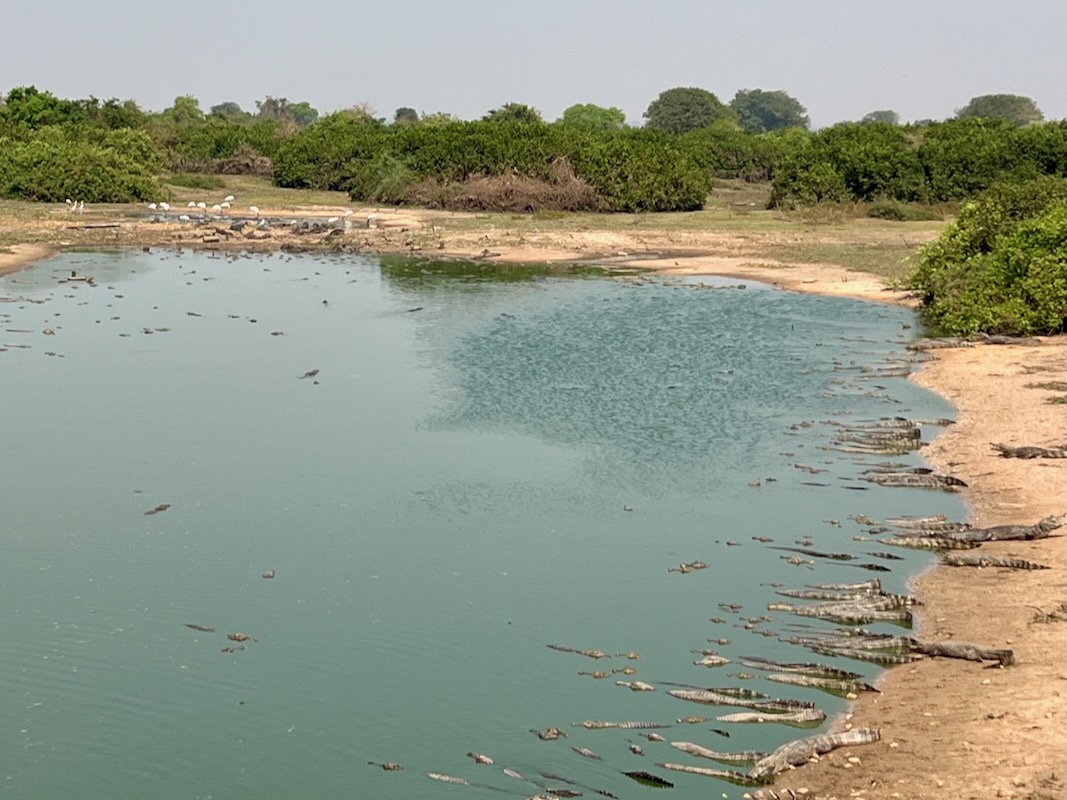
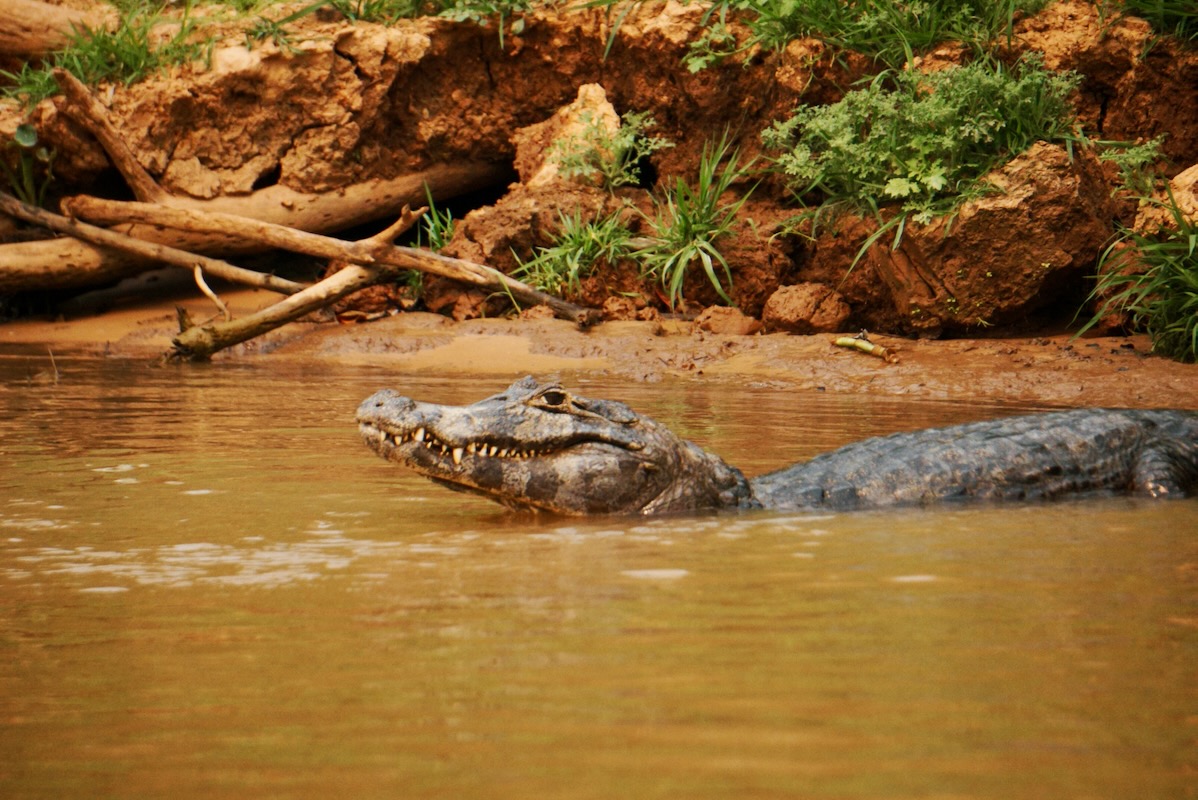
During the drive, especially close to the bridges, it is common to see wildlife like caiman, capybaras, marsh deer, and many species of birds. If you’re really lucky, maybe a jaguar or anaconda.
Also along the highway are several wildlife lodges. It is pretty normal for safari tours to stop at these lodges for a night or two on the way to Porto Jofre.
Popular lodges include Pousada Piuval, Pouso Alegre, and Araras Eco Lodge. These lodges offer daytime and nighttime safaris where tourists can see giant anteaters, tapirs, ocelots, black howler monkeys, capuchin monkeys, crab-eating foxes, coatis, capybaras, Hyacinth macaws, toucans, and so many other bird species.
There are definitely jaguar sightings near these lodges, but it is not as common as in Porto Jofre near the river.
9. Do you need a guide for a jaguar safari in the Pantanal?
The short answer is no, you don’t need a guide!
You can simply book a hotel room in Porto Jofre and arrange for a local boat captain to take you out on the water. If you speak some Portuguese and don’t care about the perks of a guide, then this is a good way to save some money.
What are the perks of a guide?
Well, if you don’t speak any Portuguese, they take the stress out of needing to communicate with the hotel front desk and your boat captain. If you take a look at the negative reviews on some of the Porto Jofre hotels, many of them stem from the inability to communicate with hotel staff.
More importantly, a guide serves as your encyclopedia for everything Pantanal, which is awesome! Any question that pops into your head during the safari, your guide definitely knows the answer.
The organization, Jaguar ID Project, works to identify and track the cats in the area. Several of the jaguars that live around Porto Jofre are well known – they even have names. If using a guide, they will likely be able to identify which jaguar you are viewing based on markings and location.
There is a range of guides for jaguar safaris, and a lot has to do with the type of trip you are interested in.
When researching guides, you’ll notice some are more focused on photography, others are more research and science driven, and many are locals who have spent decades on these rivers.
The more experienced and educated the guide, the higher the price of the safari. Definitely check Google and TripAdvisor reviews before making a decision. Always inquire about the English proficiency of the guide, too.
10. Pack your patience
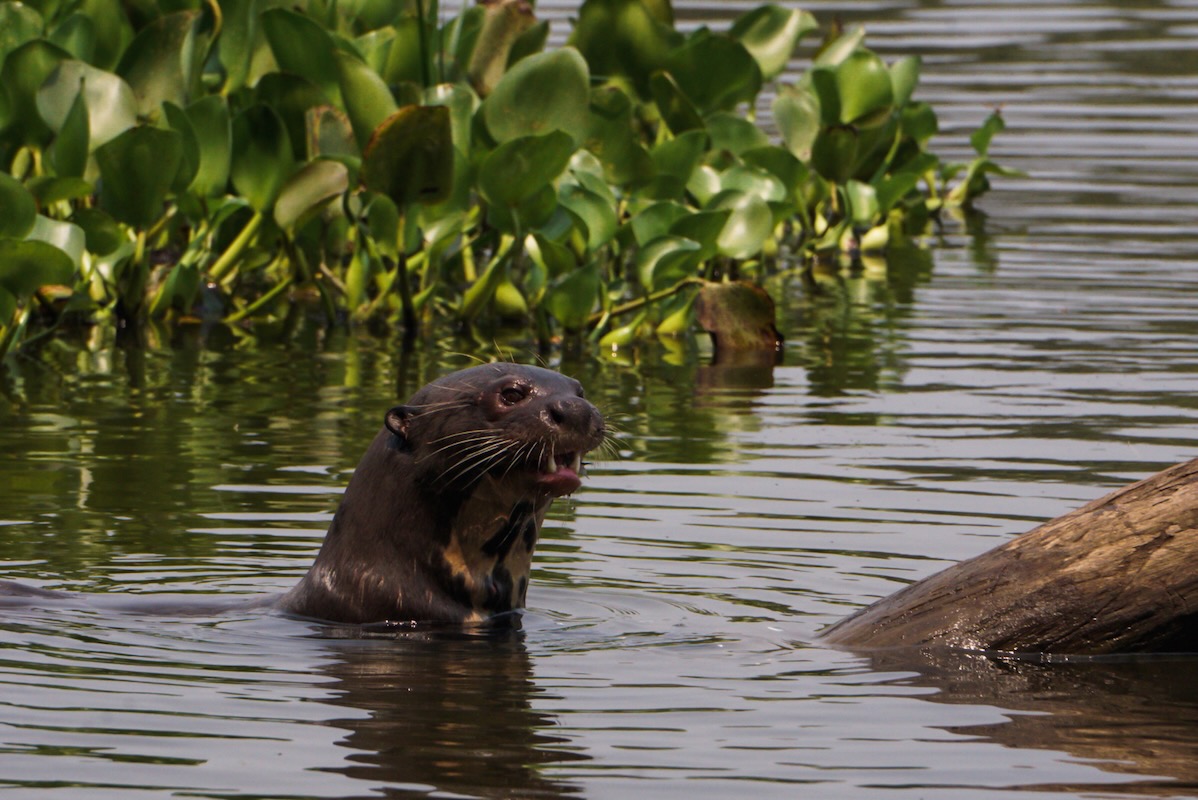
If you’re familiar with safaris, then you already know they can entail a lot of waiting for maybe just a couple of seconds or minutes of action.
This was my first safari of any kind. The days on the river were very long and hot as we searched for signs of life. It was important to remind myself how lucky we were to just be cruising the river looking for jaguars in the first place.
I believe this is common with all safaris, but tourists can quickly become competitive in getting the “best” shot. This mentality can lead to frustration and short tempers if they feel like another boat or tourist is impeding them or has some sort of advantage.
Many of our jaguar sightings felt like pure luck, with the boat simply in the right place at the right time. Some sightings you’ll find yourself front and center ,getting incredible close-ups, others you may be the last boat to arrive at the scene and have 5 other boats obstructing your view.
It is important to have patience during all of this – with your guide, boat captain, and other tourists.
Planning to also visit the southern Pantanal while you are in Brazil? Read about the 5 best eco-tours you can’t miss in Bonito, Brazil!
11. How many days do you need for a jaguar safari?
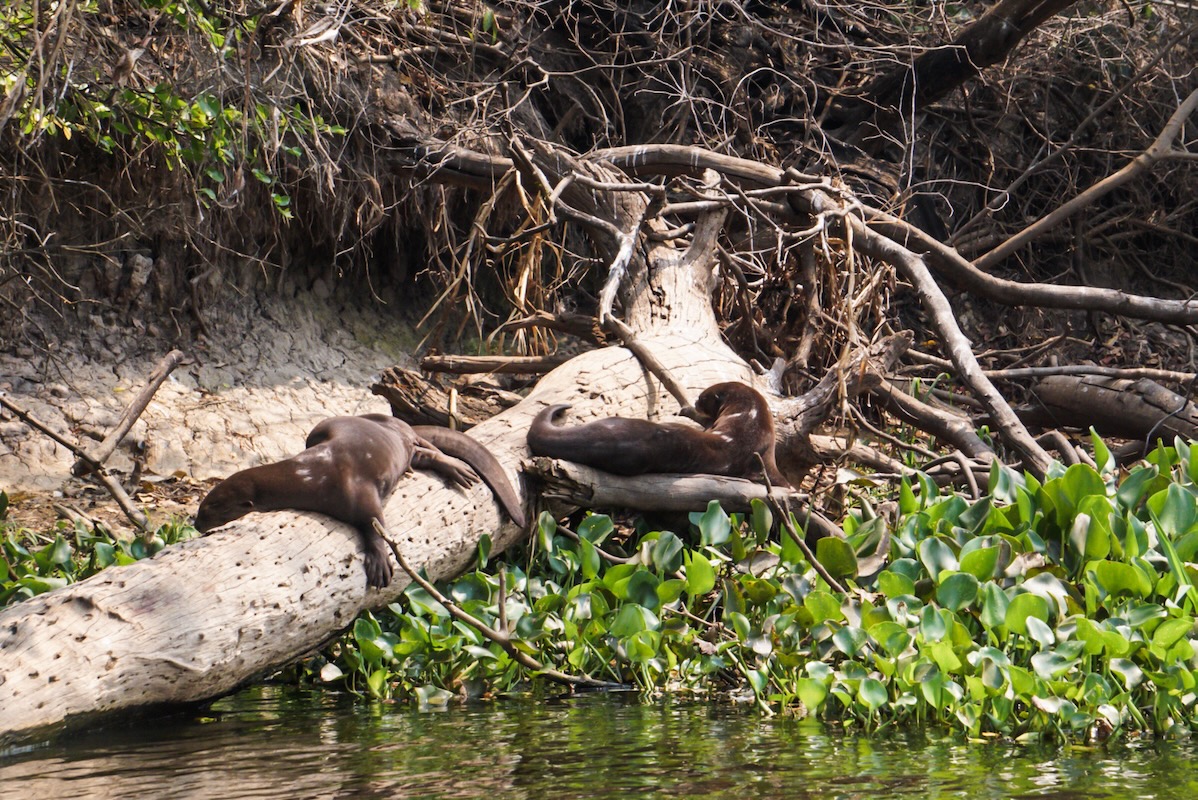
When we first started to research jaguar safaris in the Pantanal, I was pretty set on spending at least 5 days in Porto Jofre. I was determined to see a jaguar in the wild and wanted to make sure we had enough time to do so!
Our guide politely talked us out of this, insisting that for us, 2 days would be plenty of time. I was still skeptical, so we settled for adding another ½ day.
After our first 4 hours on the river, we had seen four jaguars in such intimate settings that I couldn’t believe we still had 2 more full days ahead of us.
By our 3rd day, we felt extremely satisfied with our time.
The days on the river are long and incredibly hot. As fun as it is out on the boats, it is very tiring. I can’t imagine spending 8 hours on the river for 5 days straight.
For the average tourist, I believe 2 or 3 days is the perfect amount of time in Porto Jofre. Outside of the boat safaris, there is nothing else to do in this area of Brazil, and as I mentioned before, the hotels aren’t exactly the nicest places for hanging out.
Obviously, there are reasons to spend more time. If you’re a researcher or wildlife photographer, then you may have additional motives beyond just tourism.
If you’re on the fence about how much time to spend, talk with your guide. They will be able to design the best itinerary that fits your specific trip desires.
12. Porto Jofre is a very, very small town
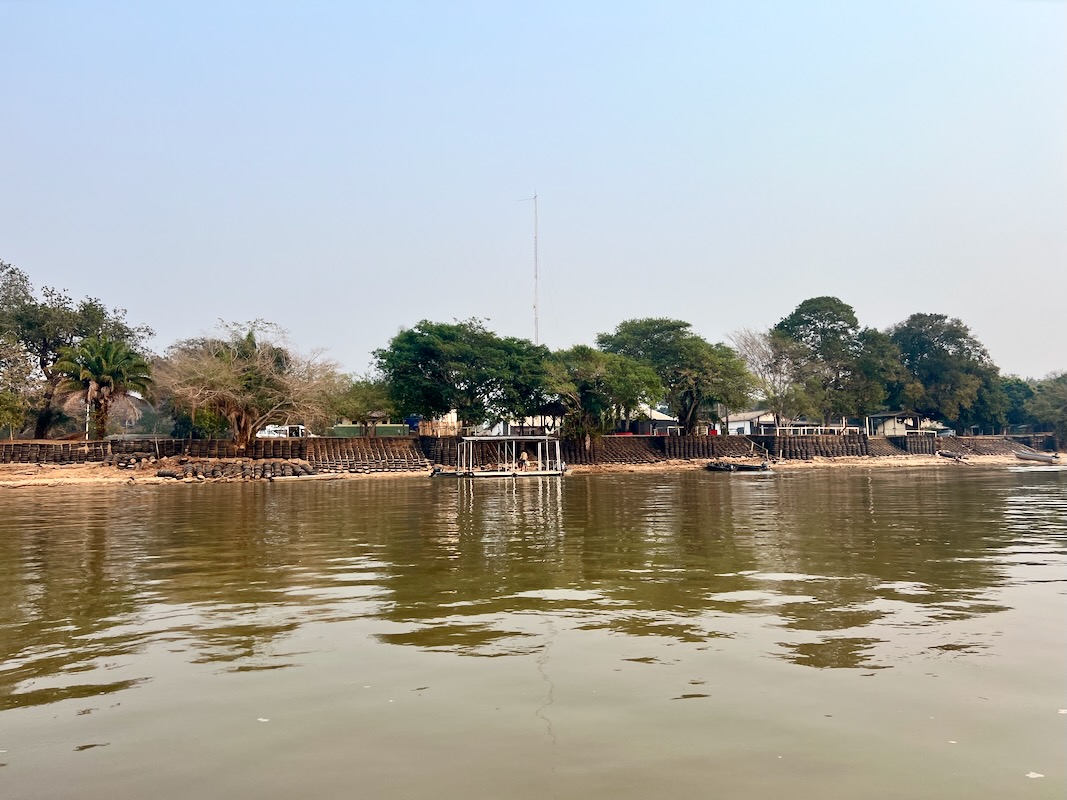
It takes almost 5 hours to travel the 150 miles from Cuiabá to Porto Jofre. The last semi-large town you’ll pass through is Poconé, where the Transpantaneira Highway officially starts.
Porto Jofre is better described as a seasonal outpost than a town. Once you arrive in Porto Jofre, it’s desolate – no restaurants, shops, or markets. Besides the dozen or so hotels, there isn’t much else. If you need anything for your trip, definitely buy it in Cuiabá before heading to Porto Jofre.
13. Cuiabá is the main city to access Porto Jofre

Before arriving in Porto Jofre, most tourists spend a night in the gateway city to the Pantanal: Cuiabá.
Cuiabá is the capital of Mato Grosso. The city is one of Brazil’s smaller capital cities, with a population of fewer than 700,000 residents.
However, the city is rapidly growing thanks to its robust agricultural industry. If you’ve spent any time in one of Brazil’s larger cities like São Paulo, Rio de Janeiro, or Salvador, Cuiabá will feel more like a big town.
Immediately after stepping outside of Cuiabá’s airport, you’ll be struck by the city’s intense dry heat.
If you are only in town for a short time, the mall located near the airport (within walking distance), Várzea Grande Shopping, is a good option to spend some time and escape the heat.
If you need to spend a night in Cuiabá, I highly recommend the Hotel Deville Prime Cuiabá. For dinner within walking distance of the hotel, check out Baronês. Definitely order an ice-cold (emphasis on the ice) draft beer and classic Brazilian steak cut.
14. Wildfires routinely threaten Jaguar’s habitats and the region’s tourism
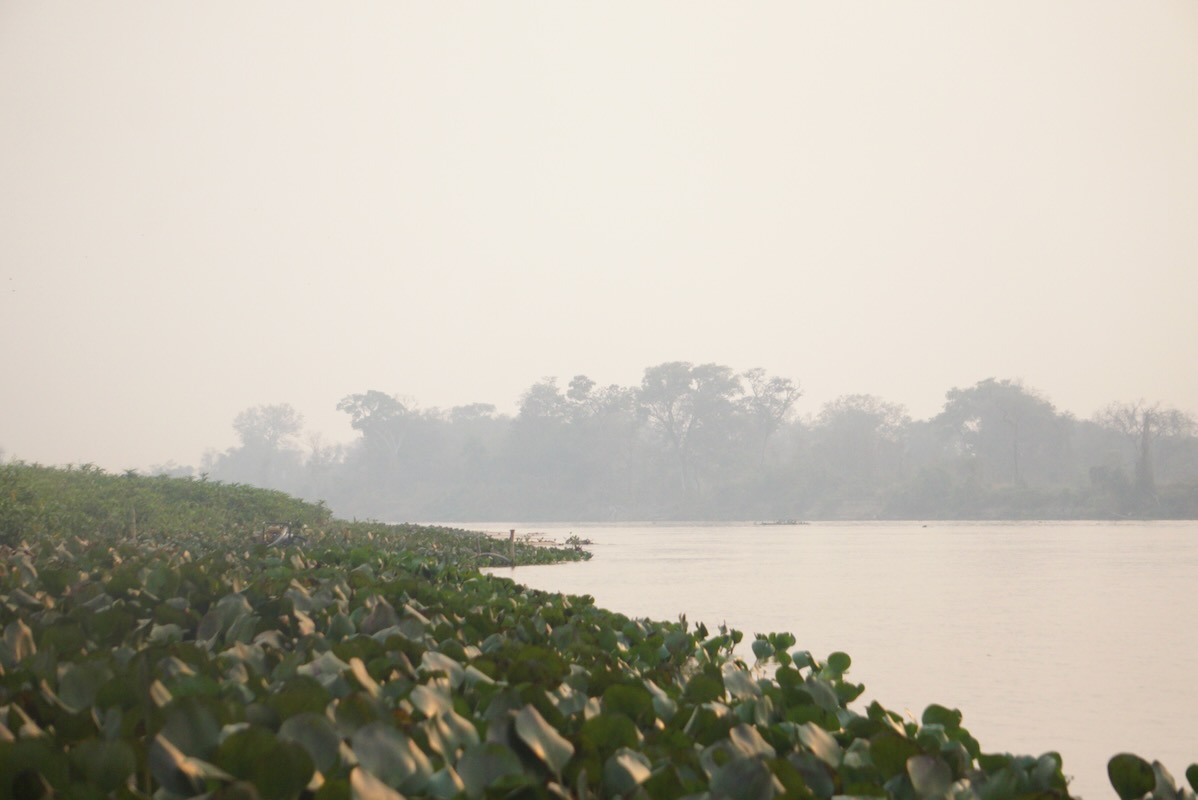
Throughout our Jaguar Safari, the sky was a hazy grey and the sun a burning orange ball due to nearby fires.
One of the greatest threats to the Pantanal ecosystem and wildlife is fire. In 2020, the Pantanal experienced its worst fires on record, impacting 26% of the Pantanal’s ecosystem.
According to the Federal University of Rio de Janeiro’s Meteorology Department, 84% of fires in the Pantanal are caused by human activities and 16% by natural events such as lightning. Compounding factors like extreme drought, wind, and the region’s remoteness make stopping the fires very difficult.
If you are sensitive to wildfire smoke, speak with your guide ahead of your safari for the latest conditions in the region.
15. What to bring to be prepared & comfortable on your jaguar safari

Your Jaguar Safari Packing List:
- Lightweight long-sleeve sunshirt
- Lightweight and comfortable (sitting for long hours in boats) pants or shorts
- Sun buff (protects against sun and bugs when the boat is going fast)
- Reusable water bottle
- Binoculars
- A tight-fitting sun hat
- Sunglasses with crookies
- Sunscreen
- Bug spray
- Lightweight hiking boots or hiking sandals
- Portable charger
- A camera with decent zoom
- A book or cards for the evening downtime
- A Pantanal wildlife guidebook like this one
- A camp shoe like Birkenstocks or Havaianas
- Bathing suit if your hotel has a pool
- Brazilian Reals for purchasing beer or extras at the hotels (tipping beyond the service fee is not expected in Brazilian culture)
Looking for more incredible nature in Brazil? Don’t miss my blog posts about these bucket-list destinations in Brazil.
Float Through Beautiful Bonito: The Ecotourism Capital of Brazil
Best EcoTours in Bonito: The Top 5 Can’t-Miss Tours
Vale do Pati in Chapada Diamantina: Brazil’s Most Beautiful Trek
0 Comments